
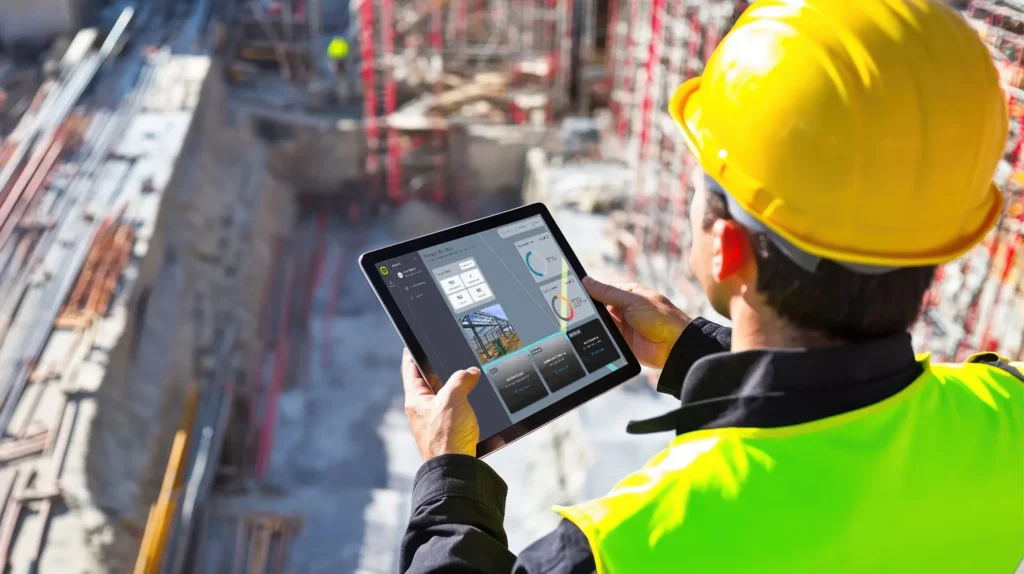
Construction progress is often discussed in meetings before it is validated in the field: A superintendent may report that a scope is complete, a trade partner may say an area is ready, or a schedule update may show work advancing as planned. But when project teams rely too heavily on manual updates, visual estimates, or anecdotal reporting, progress can become difficult to verify with confidence.
That creates risk during two critical moments: schedule reviews and pay application evaluations.
Owners, general contractors, project executives, schedulers, and trade partners all need a shared understanding of what has been installed, where work is advancing, and whether reported progress aligns with the project plan. Objective progress reporting helps close that gap by turning reality capture data, models, and schedules into evidence-based insight teams can use to make better decisions.
Building progress reporting is designed for that purpose. It automates construction progress tracking by floor or trade using reality capture data, model-to-photo comparisons, proprietary technology, and expert review. The result is a clearer, more consistent view of planned versus actual progress.
Why manual progress tracking creates friction
Manual progress tracking is not inherently wrong. Field teams know their work, and regular updates are essential to construction management. The challenge is that manual reporting can be inconsistent, especially on complex projects with multiple trades, floors, systems, and schedule milestones.
A weekly update may capture general activity but miss trade-level detail. A field walk may document visible work but overlook work hidden behind walls or above ceilings. A spreadsheet may show percent complete without enough visual or model-based support. Over time, those gaps can affect schedule confidence and payment discussions.
That friction becomes more visible when teams need to answer questions like:
- Is the reported work actually installed?
- Does progress match the planned sequence?
- Which floors, areas, or trades are ahead or behind?
- Is the pay application aligned with observable progress?
- Are schedule delays caused by one trade, one zone, or a broader coordination issue?
Objective progress reporting does not replace field expertise; it supports it with consistent data, documented visuals, and repeatable analysis.
Supporting schedule reviews with planned versus actual insight
Schedule reviews work best when teams can compare what was planned to what is actually happening in the field. That requires more than a general status update. It requires visibility by area, floor, system, or trade.
With building progress reporting, teams can use 360° photos, LiDAR scans, constructability models, and schedule data to generate progress insights. Reports can show progress by trade or floor, model element built status, side-by-side views, and schedule-based metrics that help teams see where work is aligned or drifting.
For project teams, this creates a more practical schedule review. Instead of relying only on verbal updates, stakeholders can review visual evidence and progress metrics together. That can help identify delays earlier, validate recovery plans, and focus discussion on the areas that need attention most.
It also helps reduce the lag between field conditions and project controls. When progress updates are grounded in captured reality, schedule conversations become more objective and easier to act on.
Making pay applications more defensible
Pay applications can become difficult when reported progress is hard to validate. Owners and general contractors need to confirm that billed work has been completed. Trade partners need a fair, timely review process. Lenders and project executives may need documentation that supports payment decisions.
Objective progress reporting helps make that process more defensible. When progress is documented through visual records, model comparisons, and expert-verified reporting, teams have a clearer basis for evaluating pay applications. The question becomes less subjective: what work is visible, measurable, and aligned with the approved scope?
This can help reduce disputes, accelerate review cycles, and create better documentation for audits or future claims. It can also support more transparent conversations with trade partners because the data is tied to specific areas, floors, systems, or model elements.
Connecting progress reporting to reality capture
Objective reporting depends on reliable inputs. That is why progress reporting works best when it is connected to consistent reality capture and a structured project record.
Photo documentation can provide indexed visual records tied to floor plan location and date. This gives teams a historical record of what was visible at a specific point in time. 3D laser scanning can add precise spatial data when higher accuracy is required. When those inputs are paired with schedule and model data, teams can move from basic documentation to construction insight.
This is also where Analyze services fit into the broader workflow. Analyze services help teams turn captured reality and model data into objective reporting, including building progress reporting, deviation analysis, and earthwork progress reporting.
For teams managing vertical construction, building progress reporting helps track progress by floor, trade, or system. For teams managing installation quality, deviation analysis can identify model-to-scan differences before they become larger rework issues. For large site programs, earthwork progress reporting can support cut/fill visibility and quantity tracking.
Each service answers a different question, but together they help teams move from “what do we think happened?” to “what does the project record show?”
Why objectivity matters for stakeholder alignment
Progress reporting affects many stakeholders. Owners need confidence in project status and payment approvals. General contractors need visibility into schedule performance and trade progress. Schedulers need reliable data to validate updates. Trade partners need fair documentation of completed work. Project executives need early warning signs when the plan starts to drift.
Objective progress reporting gives those groups a more consistent way to align. It does not remove the need for judgment, but it improves the quality of the information behind the judgment.
That matters because schedule and payment conversations can become emotional when teams are under pressure. A shared project record helps reduce ambiguity. When everyone can review the same visual documentation, model comparison, and progress data, teams spend less time debating the baseline and more time deciding what to do next.
When to bring progress reporting into the workflow
The best time to plan for objective progress reporting is before the project needs a disputed answer. Teams should align early on capture cadence, model requirements, reporting frequency, schedule integration, and pay application review expectations.
That does not mean every project needs the same level of rigor. A smaller project may need basic photo-based documentation to support monthly reviews. A larger or more complex project may need model-based progress tracking, 360° imagery, and trade-level reporting. The right approach depends on project complexity, tolerance, schedule pressure, and payment risk.
The key is to define the workflow early enough that the reporting can support real decisions instead of simply documenting issues after they appear.
Conclusion
Schedule reviews and pay applications depend on trust. Teams need to trust that reported progress reflects actual field conditions. They need to trust that payment evaluations are supported by evidence. And they need to trust that schedule updates are based on more than assumptions.
Objective progress reporting helps create that trust. By connecting reality capture, models, schedules, and expert-verified analysis, teams gain a clearer view of planned versus actual progress. That helps reduce ambiguity, support pay application reviews, identify schedule risk earlier, and keep stakeholders aligned while work is still underway.
Ready to see how objective progress reporting can support your schedule reviews and pay application workflows? Book a free 30-minute consultation with our team to discuss building progress reporting, reality capture inputs, schedule integration, and the right level of reporting for your project.