
Digital twins are gaining traction in construction, but adoption still lags behind the hype. One big reason? Project teams often work in silos, and there’s a disconnect between building owners and AECO professionals when it comes to how valuable digital twins really are.
In Hexagon’s Digital Twin Industry Report, 65% of building owners said they see major value in digital twins. Only 47% of AEC professionals agreed. That gap slows down adoption—even though the data is clear: digital twins improve efficiency, reduce risk, support better decisions, and help teams hit their sustainability goals.
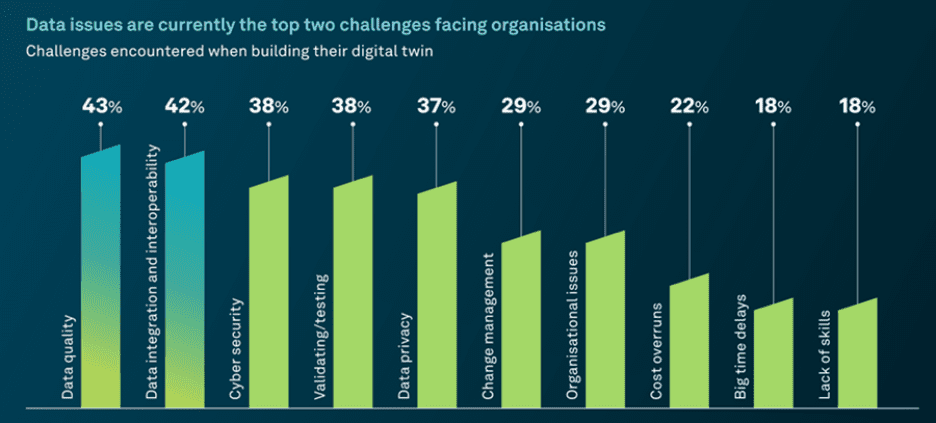
Data issues top the list of barriers to digital twin success, with quality and integration leading the way (Source: Hexagon’s Digital Twin Industry Report).
Make Digital Twins a Project Requirement
Digital twins deliver the most value during operations: the “O” in AECO. But too often, operations teams aren’t brought in early enough. For a digital twin to be useful in the long term, it must be a requirement from the start.
From reality capture for construction to construction photo documentation, teams need to plan with the end in mind. When owners mandate digital twin deliverables in contracts, it aligns everyone early and sets the project up for success throughout its lifecycle.
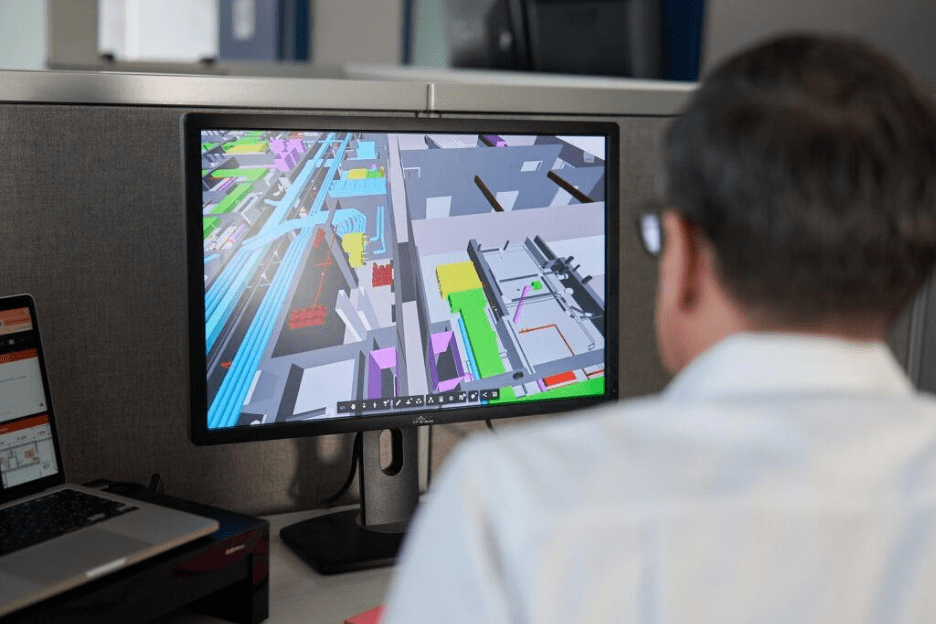
Digital twin models come to life through clear visualizations that guide smarter planning decisions.
Start with a Clear Plan
When it comes to digital twins, one of the biggest mistakes teams make is trying to do too much too soon. Complex models with no clear objective tend to be abandoned quickly. Instead, start small. Engage operations teams early. Define what you want out of the digital twin long term. Then work backward.
In other words, keep it practical. Make sure your roadmap avoids scope creep and includes the right team members at each phase.
Run a Smart Pilot Project
When first beginning a digital twin strategy, start with a project where you have the most influence over design, data capture, and team coordination. Projects with repeatable spaces like clinics, offices, or classrooms are ideal. A healthcare building with identical rooms is perfect for a “one-to-many” digital twin approach.
Use tools like 360 photos and construction site documentation tools to capture reliable data from the start. Projects with measurable outcomes, like better HVAC performance or energy use tracking, help you prove ROI faster.
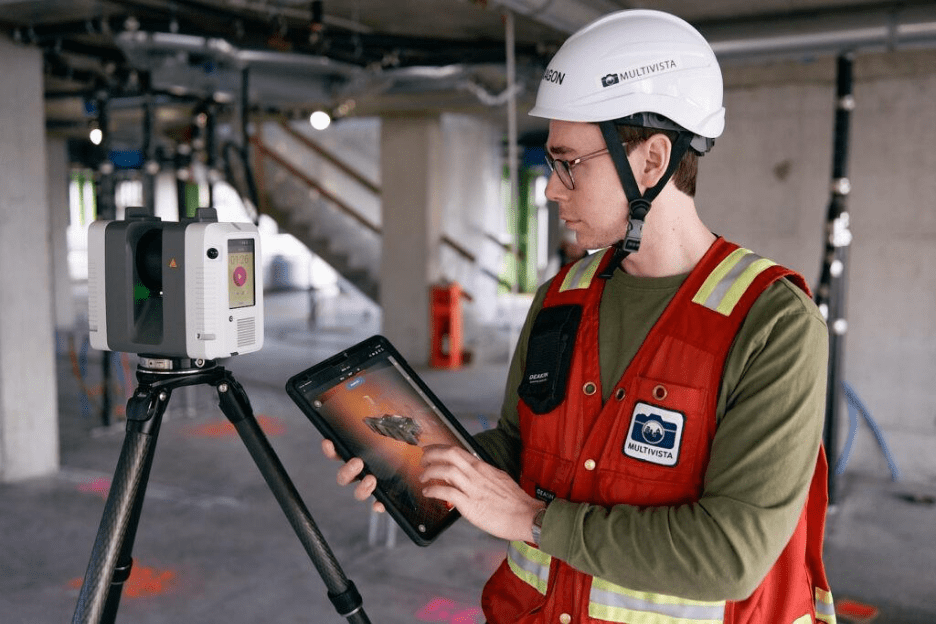
Scanning repeatable spaces like clinics or classrooms helps scale your digital twin strategy fast.
Don’t Drown in Data
A common fear is: What if the data’s wrong? That’s valid. With so many contractors using different tools, data can get messy. But this is exactly where digital twins help. They create structure. With automated construction photo documentation and simplified data workflows, you can reduce manual entry, avoid delays, and make better decisions more quickly. That’s the value of a digital twin. Not just more data, but cleaner, more usable data.
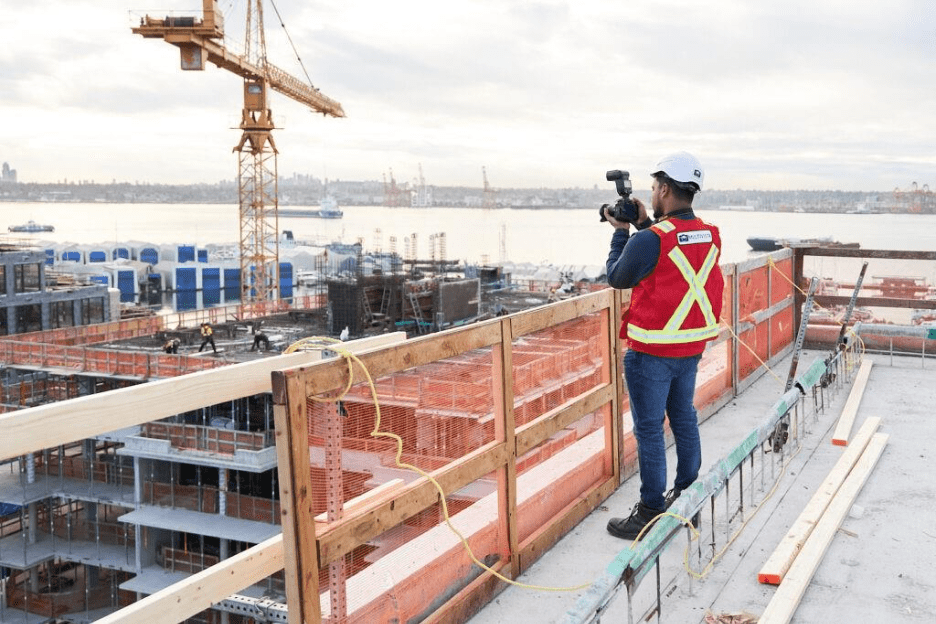
Clean, structured field data is what makes a digital twin usable, not just more information.
Think Long Term
To get real results, AECO teams need digital twin strategies that support long-term outcomes. When you combine strong data capture tools, clear requirements, and stakeholder buy-in, aligned with Hexagon’s Capture-Analyze-Create approach, digital twins become more than a handover document, they become your project’s most valuable operational asset.
For best results, start small and stay focused. And make sure the tools you use for construction documentation, tracking, and visualization actually support your end users. That’s how digital twins drive impact.
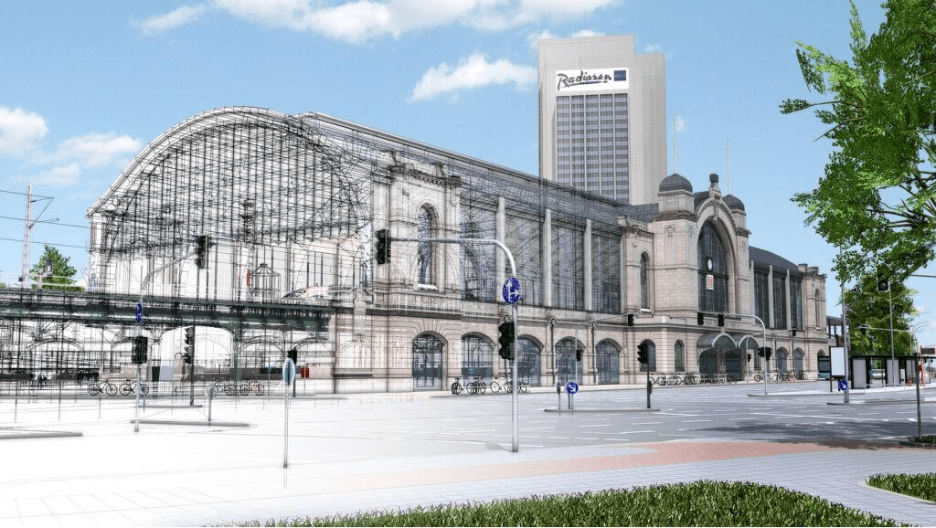
A digital twin blends real-world visuals with precise 3D wireframe data, bringing infrastructure into full virtual context.
Ready to make your project smarter, faster, and future-ready?
Hexagon’s data-driven services for the built world help you plan, capture, and operate with confidence from day one. Contact us to get started.